
Top Disposable Food Packaging Materials for Restaurants & Export
Introduction
In the fast-growing food industry, packaging is no longer just about wrapping food—it’s about safety, presentation, and sustainability. Whether you run a restaurant or export food globally, choosing the right Food Packaging Products can make a huge difference.
From keeping food fresh to enhancing brand value, the right packaging acts like a silent ambassador for your business. But with so many options available, how do you decide what’s best?
Let’s explore the top disposable food packaging materials that are perfect for restaurants and export businesses.
1. Importance of Food Packaging Products
Food Packaging Products play a critical role in:
- Maintaining food freshness
- Preventing contamination
- Improving presentation
- Supporting branding
Think of packaging as the “first impression” your customer gets—even before tasting the food.
2. Types of Disposable Packaging Materials
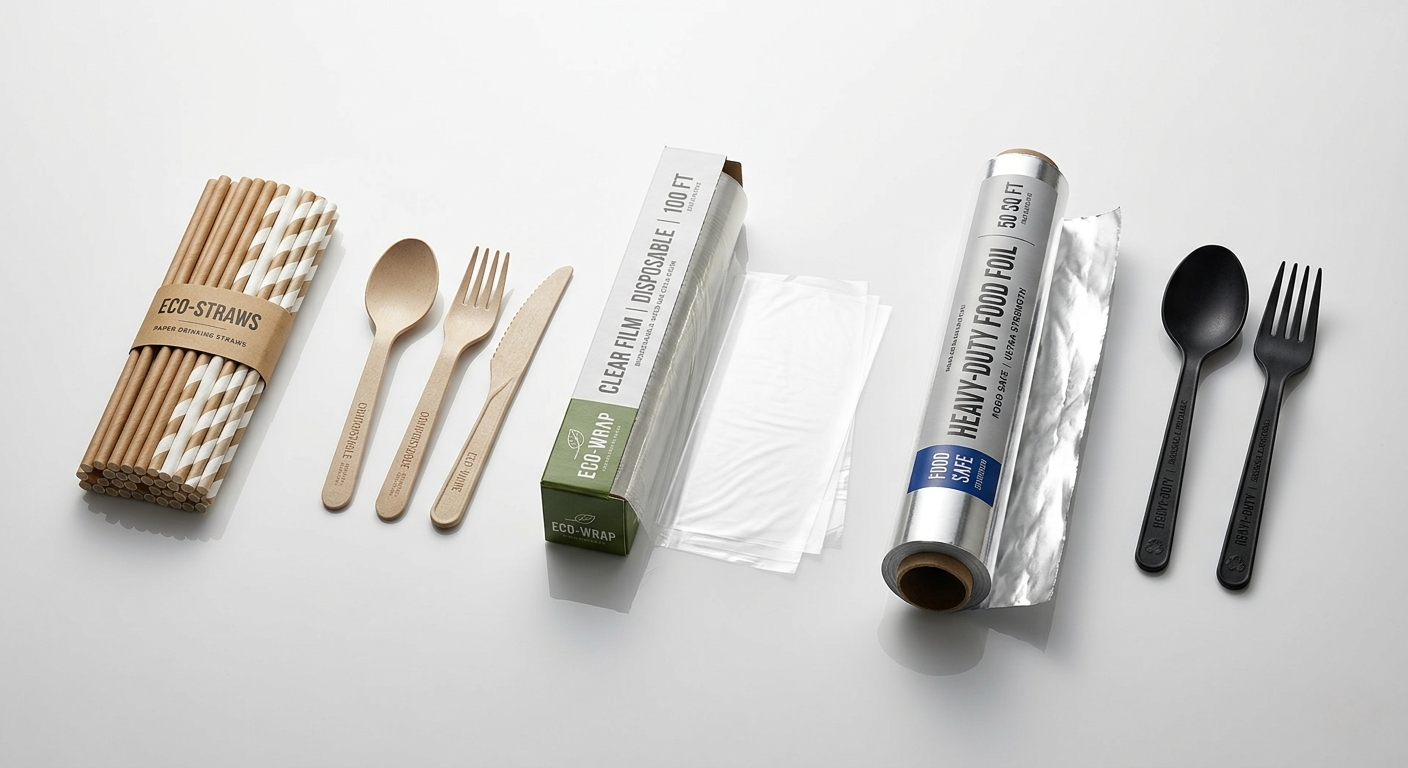
There are several types of Food Packaging Products used in restaurants and exports:
- Paper-based materials
- Plastic packaging
- Aluminum foil products
- Biodegradable materials
Each serves a specific purpose depending on the food type.
3. Paper-Based Food Packaging Products
Paper is one of the most widely used Food Packaging Products.
Examples include:
- Paper boxes
- Paper cups
- Paper bags
Benefits:
- Eco-friendly
- Lightweight
- Cost-effective
Perfect for takeaway and fast-food businesses.
4. Plastic Food Packaging Products
Plastic remains popular due to its durability.
Common uses:
- Food containers
- Wrapping films
- Bottles
Advantages:
- Strong and flexible
- Moisture-resistant
- Long shelf life
However, many businesses are now shifting to recyclable plastics.
5. Aluminum-Based Food Packaging
Aluminum is widely used for food preservation.
Examples:
- Foil containers
- Wrapping foil
Benefits:
- Heat-resistant
- Keeps food fresh
- Ideal for export
It’s like a protective shield that locks in flavor and quality.
6. Biodegradable Packaging Materials
Biodegradable Food Packaging Products are gaining popularity.
Materials include:
- Bagasse (sugarcane fiber)
- Bamboo
- Cornstarch
These materials decompose naturally, reducing environmental impact.
7. Compostable Food Packaging Solutions
Compostable packaging goes a step further than biodegradable.
It breaks down into natural elements without harming the environment.
Ideal for:
- Eco-conscious brands
- Sustainable restaurants
8. Export-Quality Packaging Requirements
When exporting food, packaging must meet higher standards.
Key requirements:
- Strong and durable materials
- Leak-proof design
- Temperature resistance
Export packaging must handle long-distance shipping without damage.
9. Food Safety & Hygiene Standards
Safety is non-negotiable in Food Packaging Products.
Ensure:
- Food-grade materials
- Proper sealing
- Compliance with regulations
This protects both your customers and your brand reputation.
10. Cost-Effective Packaging Options
Balancing cost and quality is essential.
Tips:
- Buy in bulk
- Choose multi-purpose packaging
- Avoid over-packaging
Affordable packaging doesn’t mean compromising on quality.
11. Sustainable Food Packaging Trends
Sustainability is shaping the future of Food Packaging Products.
Trends include:
- Plastic-free packaging
- Recyclable materials
- Minimalist designs
Customers prefer brands that care about the environment.
12. Choosing the Right Packaging Material
Selecting the right Food Packaging Products depends on:
- Type of food
- Storage conditions
- Delivery method
- Budget
Ask yourself: Will this packaging protect and present my food well?
13. Custom Branding in Packaging
Packaging is a powerful branding tool.
You can:
- Add logos
- Use custom designs
- Highlight brand identity
Good packaging turns customers into repeat buyers.
14. Storage & Transportation Considerations
Proper storage and transport are crucial.
Best practices:
- Use stackable containers
- Ensure temperature control
- Avoid damage during transit
This is especially important for export businesses.
15. Future of Food Packaging Products
The future of Food Packaging Products is driven by innovation.
Expect:
- Smart packaging technology
- Eco-friendly materials
- Better durability
Businesses that adapt early will stay ahead of the competition.
Conclusion
Choosing the right Food Packaging Products is essential for both restaurants and export businesses. From paper and plastic to aluminum and biodegradable materials, each option has its own benefits.
The key is to balance quality, cost, and sustainability. With the right packaging, you not only protect your food but also enhance your brand and customer experience.
FAQs
1. What are the best Food Packaging Products for restaurants?
Paper-based and biodegradable packaging are popular choices due to their eco-friendliness and cost-effectiveness.
2. Which packaging material is best for food export?
Aluminum and durable plastic packaging are ideal due to their strength and ability to preserve food quality.
3. Are biodegradable Food Packaging Products reliable?
Yes, they are safe, eco-friendly, and suitable for many types of food packaging needs.
4. How can I reduce packaging costs?
Buy in bulk, choose efficient designs, and avoid unnecessary packaging layers.
5. Why is packaging important in the food industry?
It ensures food safety, enhances presentation, and helps build brand identity.